Cranberry
Evergreen dwarf shrubs producing acidic red berries.
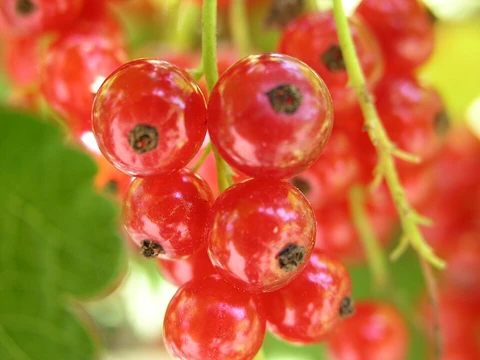
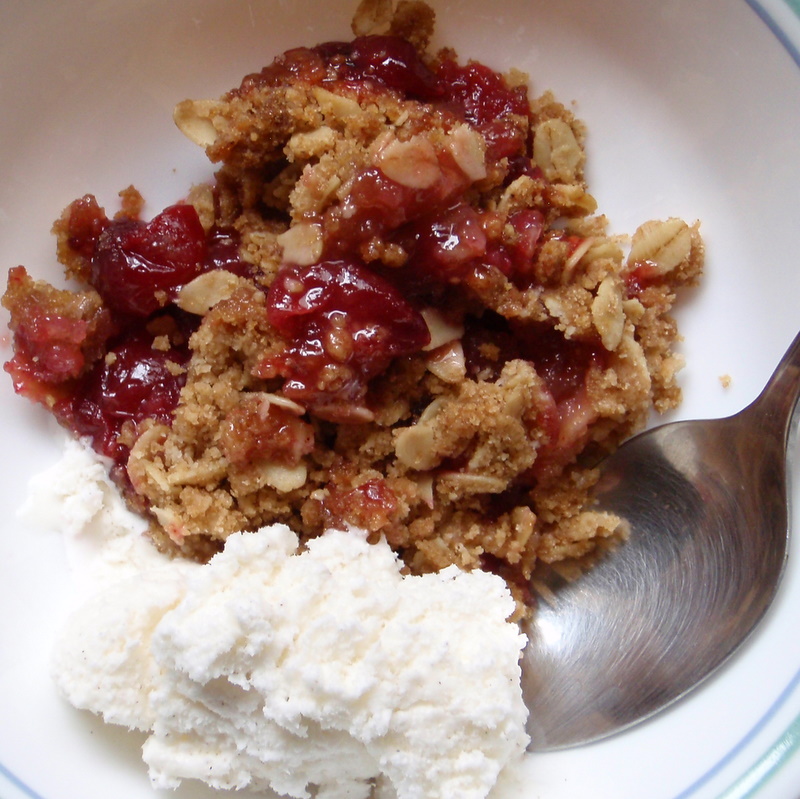
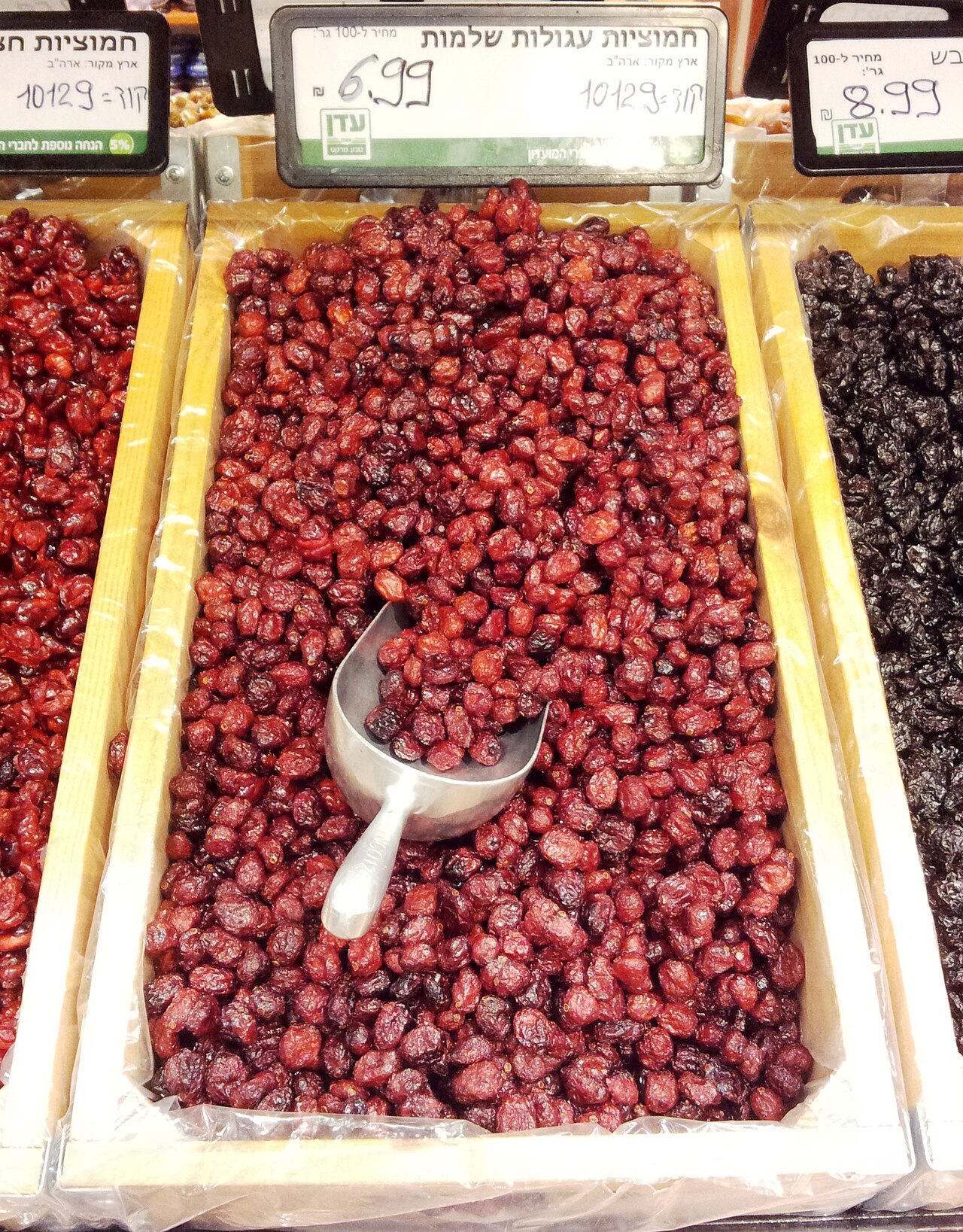
Cranberries belong to the genus *Vaccinium* and are classified under the subgenus *Oxycoccus*. These plants are evergreen, low-growing dwarf shrubs or trailing vines. They reach up to 2 meters in length but only 5 to 20 centimeters tall, with thin, wiry stems and small leaves that stay green year-round. The berries start out light green and turn red when ripe; they are larger than the plant’s leaves and have a sour, acidic flavor. In Britain, the native species *Vaccinium oxycoccos* is often called cranberry, while in North America the term usually refers to *V. macrocarpon*. The former is grown in central and northern Europe, the latter across the northern United States, Canada, and Chile. By 2020, these three regions—the U.S., Canada, and Chile—produced 97% of the world’s cranberries. Most of the harvest goes into products like juice, sauce, jam, and sweetened dried cranberries; the rest is sold fresh. Cranberry sauce is a traditional side dish for turkey at Christmas and Thanksgiving meals in the U.S. and Canada, and at Christmas dinners in the United Kingdom.
- Scientific classification
- Subgenus Oxycoccus of genus Vaccinium
- Number of species
- 4–5
- Primary cultivated species
- Vaccinium oxycoccos (Europe), Vaccinium macrocarpon (North America)
- Major producing regions (2020)
- U.S., Canada, Chile (97% of world production)
- First cultivation
- Around 1816 by Henry Hall in Dennis, Cape Cod
- Typical harvest season
- September through early November
- Common uses
- Juice, sauce, jam, sweetened dried cranberries, fresh fruit
Lore & Background
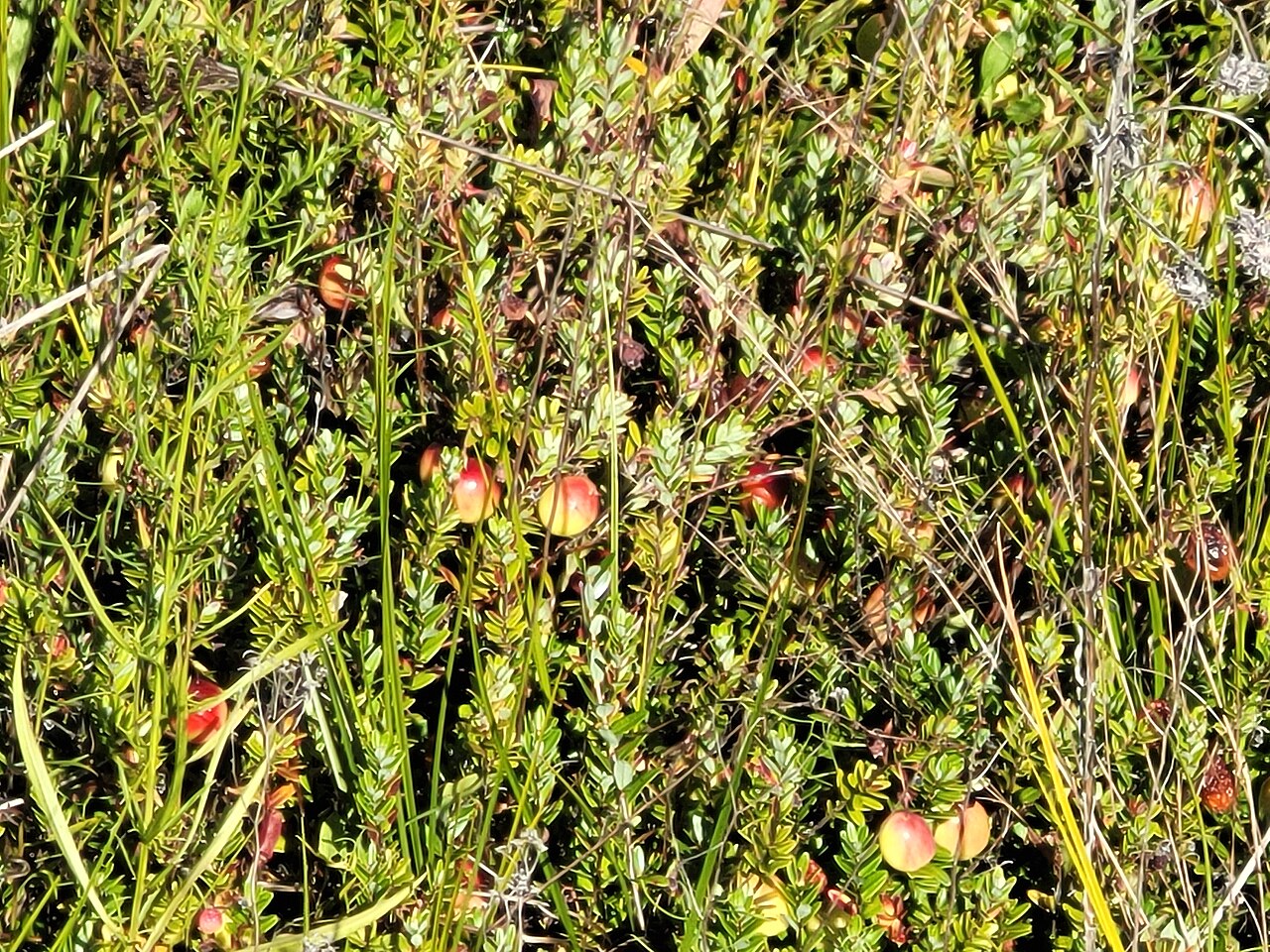
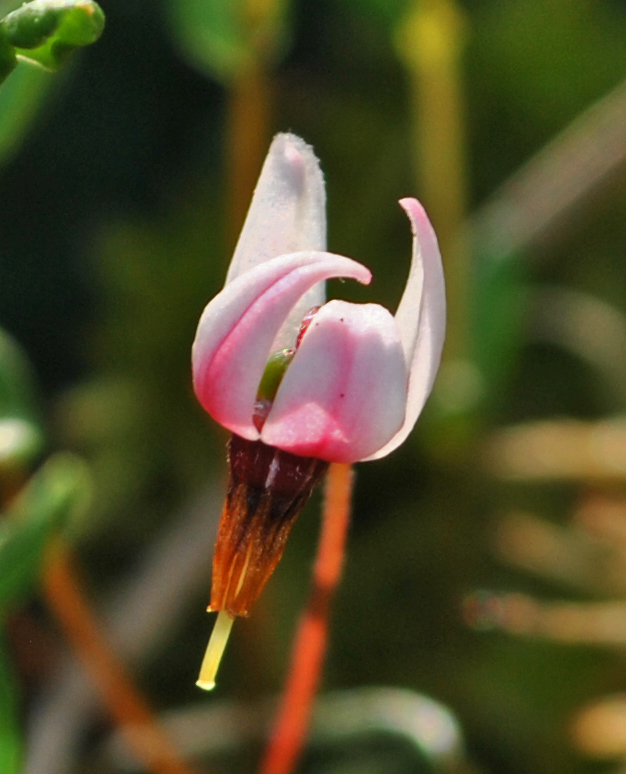
Cranberries are low, creeping shrubs or vines up to 2 meters long and 5 to 20 centimeters in height, with slender, wiry stems and small evergreen leaves. The flowers are dark pink with reflexed petals, leaving the style and stamens exposed; they are pollinated by bees. The fruit is a berry larger than the leaves, initially light green, turning red when ripe, with an acidic taste that usually overwhelms its sweetness. Cranberries are related to bilberries, blueberries, and huckleberries, which differ in having bell-shaped flowers and woodier stems. In some methods of classification, Oxycoccus is regarded as a genus in its own right.
Reader's Guide
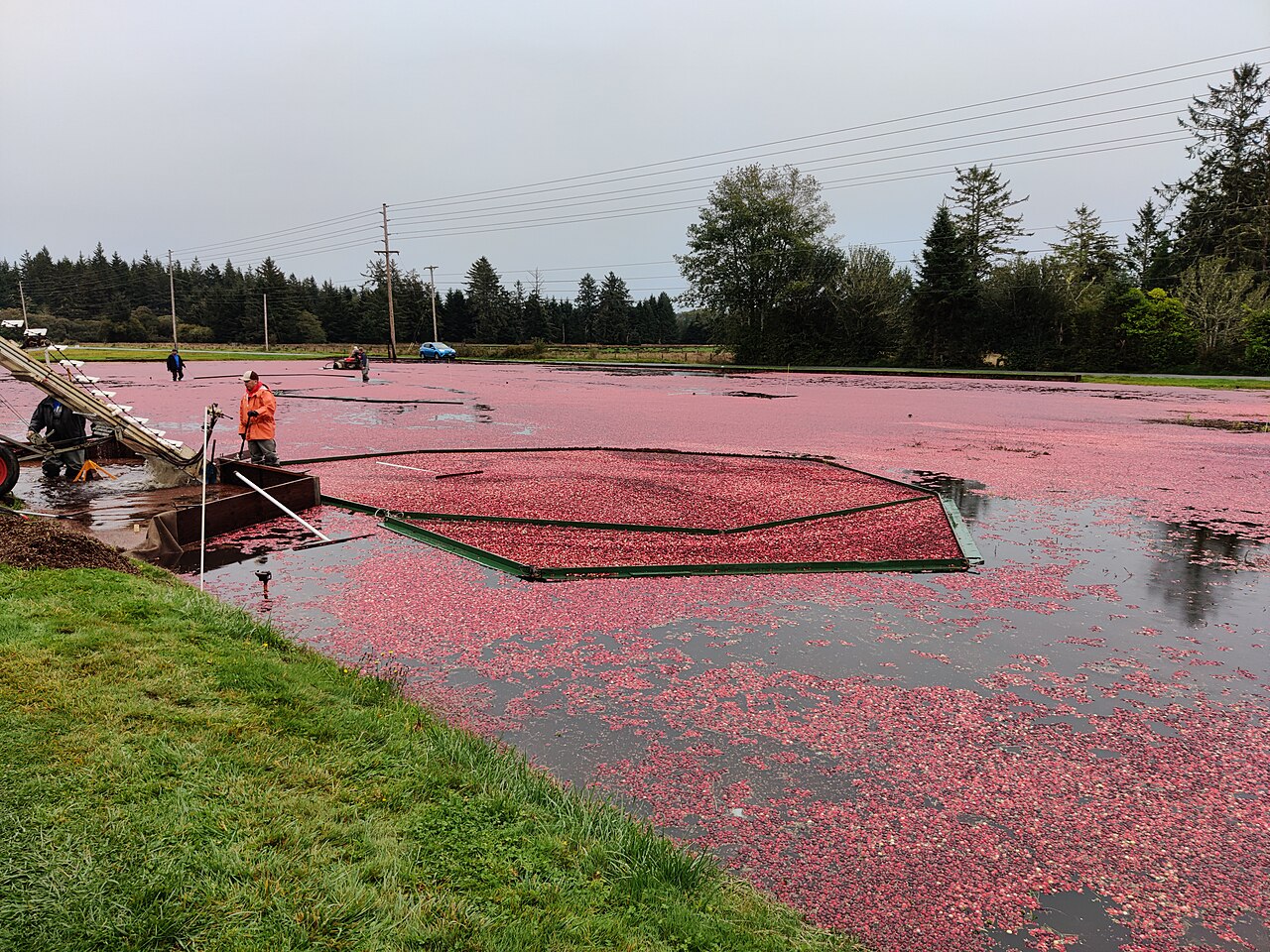
Cranberries have been cultivated since the early 19th century, beginning with Henry Hall's plantings on Cape Cod around 1816. By 1900, 8,700 hectares were under cultivation in New England. In 2021, U.S. output was 360,000 metric tons, with Wisconsin as the largest producer. Breeding efforts began in the 1920s to improve insect resistance, later shifting to high-yielding varieties in the 1980s. Cranberry beds are constructed in upland areas with a shallow water table, using sand and laser-leveling for drainage. A common misconception is that beds are flooded year-round; they are flooded only for harvest and winter protection. Most cranberries are wet-picked by flooding beds and using harvesters, while 5–10% are dry-picked for fresh market. Cranberries are stored in shallow bins with air circulation, and those for processing are frozen. Diseases include cranberry fruit rot, root rot, and false blossom disease vectored by the blunt-nosed leafhopper. The name derives from Middle Low German kraanbere, first used in English by missionary John Eliot in 1647, and later by German and Dutch colonists to describe the flower's resemblance to a crane's neck and head.
Did You Know?
- Cranberries are low, creeping shrubs or vines up to 2 meters long and 5 to 20 centimeters in height.
- The fruit is initially light green and turns red when ripe, with an acidic taste.
- In 2020, the U.S., Canada, and Chile accounted for 97% of world cranberry production.
- The name 'cranberry' derives from Middle Low German 'kraanbere', first used in English by missionary John Eliot in 1647.
Botanical Architecture & Sensory Profile
Cranberries belong to the subgenus Oxycoccus within the genus Vaccinium, a lineage that also encompasses bilberries, blueberries, and huckleberries. Unlike those relatives, which form taller, woodier shrubs with bell-shaped flowers and non-reflexed petals, cranberries remain low and creeping, stretching up to two meters in length while never exceeding twenty centimeters in height. Their stems are slender and wiry rather than thickly woody, supporting small evergreen leaves that persist through winter. The plant's most striking reproductive feature is its dark pink flower, whose petals curl sharply backward to fully expose the style and stamens, which point forward like tiny antennae. Bees serve as the primary pollinators. The resulting berry is notably larger than the surrounding foliage, ripening from pale green to a deep red. Its flavor is dominated by a sharp acidity that typically overwhelms any underlying sweetness. Taxonomically, some classification systems elevate Oxycoccus to full genus status, and roughly four to five distinct species are recognized across the subgenus.
A Name Born of Cranes and Marshes
The word cranberry carries a vivid visual history. It traces back to the Middle Low German term kraanbere, literally craneberry, and entered English usage through the missionary John Eliot in 1647. By the 1690s, German and Dutch settlers in New England had adopted the name because the plant's expanding flower, stem, calyx, and reflexed petals collectively resembled the outstretched neck, head, and bill of a crane in flight. Across the Atlantic, the European species Vaccinium oxycoccos earned a more humble name: fenberry, a reference to the small red berries that grew in the marshy fenlands of England. This geographic split persists in modern usage—British speakers typically mean the native V. oxycoccos when they say cranberry, while North Americans refer to V. macrocarpon. The two species are cultivated in different regions: the former in central and northern Europe, the latter across the northern United States, Canada, and Chile, together accounting for the vast majority of global production.
From Pioneers to Precision Breeding
Cranberry cultivation in America began in earnest when Revolutionary War veteran Henry Hall started growing the fruit in Dennis, Cape Cod, around 1816. Within a decade he was shipping his harvest to New York City and Boston, and from there the berries reached European markets. The 1840s saw Eli Howes establish his own Cape Cod crop using the Howes variety, and Cyrus Cahoon plant the Early Black strain near Pleasant Lake in Harwich, Massachusetts. By the turn of the twentieth century, nearly 8,700 hectares of New England land were devoted to cranberries. The plant's breeding history reflects shifting agricultural priorities. In the 1920s, researchers targeted resistance to the blunt-nosed leafhopper, the insect that transmits cranberry false blossom disease, producing cultivars like Stevens and Franklin. The arrival of broad-spectrum pesticides in the 1940s and 1950s ended that line of work. Beginning in the 1980s, breeders—many of them guided by Dr. Nicholi Vorsa at Rutgers University—pivoted toward high-yield varieties such as Crimson Queen and Mullica Queen. Today, tighter environmental regulations on pesticides have renewed interest in combining yield with natural pest resistance.
The Sand, the Ice, and the Harvest
A persistent myth holds that cranberry beds sit underwater year-round, but the reality is more nuanced. During the growing season, the vines are simply irrigated to keep the soil moist. Flooding plays two specific roles: in autumn, water is introduced to make the harvest process easier, and in winter, a protective layer guards against extreme cold. In colder regions like Wisconsin, New England, and eastern Canada, that winter flood freezes solid into ice. Farmers then drive trucks across the frozen surface to spread a thin blanket of sand, a practice called sanding, performed every three to five years to suppress pests and rejuvenate the vines. The beds themselves are carefully engineered: topsoil is stripped to form perimeter dykes, clean sand is spread ten to twenty centimeters deep, and the surface is laser-leveled for even drainage. Socked tile and perimeter ditches handle excess water, while the dykes keep equipment off the delicate vines. In 2021, the United States alone harvested 360,000 metric tons, with Wisconsin producing 59 percent of that total, followed by Massachusetts, New Jersey, and Oregon.
Gallery

Frequently Asked Questions
What kind of plant is a cranberry?
Cranberries are evergreen, low-lying dwarf shrubs or trailing vines belonging to the Vaccinium genus (subgenus Oxycoccos). They keep their small leaves green year-round on thin, wiry stems and produce round red berries with a distinctly sour, acidic taste.
How big do cranberry plants get?
The plants stay very short, usually just 5 to 20 centimeters above the ground, though their trailing stems can stretch up to 2 meters in length. Interestingly, the ripe berries end up larger than the plant's own tiny leaves.
When is cranberry harvest season?
Cranberries are typically picked from September through early November, once the fruit has shifted from its initial pale green stage to full deep red. This autumn window is when the berries reach peak acidity and flavor.
Where are most cranberries grown?
The United States, Canada, and Chile together supply roughly 97% of the world's cranberries as of 2020. Commercial cultivation is generally traced to around 1816, when Henry Hall began growing them in Dennis on Cape Cod.
What's the difference between European and American cranberries?
In Britain the name 'cranberry' most often refers to Vaccinium oxycoccos, whereas in North America it usually means V. macrocarpon. Both are evergreen dwarf shrubs bearing acidic red fruit, but they are separate species within the same Oxycoccos subgenus.
More in Fruit Trees & Berries 1-18
Spotted an error? Know more?
This is a living reference — every entry is fact-audited, and reader corrections feed straight into our audit queue. Suggest an edit · See this site's audit record