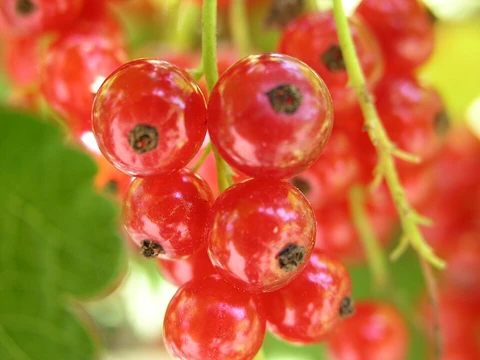
Avocado
Evergreen tree native to the Americas, prized for its oily fruit.

Wikipedia / Wikimedia Commons
The avocado (Persea americana) is an evergreen tree in the laurel family (Lauraceae), native to the Americas from Mexico to Peru. Its fruit, a large berry with a single seed, has been consumed by humans for thousands of years, with archaeological evidence dating back at least 10,500 years. Prized for its oily, nutrient-dense flesh, the avocado is now cultivated globally in tropical and Mediterranean climates, with Mexico leading production in 2024.
- Scientific name
- Persea americana
- Family
- Lauraceae
- Native range
- Mexico to Peru
- First European written account
- 1519 by Martín Fernández de Enciso
- World production (2024)
- 11.2 million tonnes
- Leading producer (2024)
- Mexico (25% of global harvest)
- Fruit type
- Botanically a berry
Lore & Background
The avocado was scientifically named by British botanist Philip Miller in 1768. The genus Persea is thought to have a North American origin, diversifying in Central America during the Pleistocene. The modern avocado likely speciated from other Persea during the Pleistocene, estimated at either 1.3 million or 430,000 years ago. Some authors, including Connie Barlow, have speculated that the avocado is an 'evolutionary anachronism' with megafaunal dispersal syndrome, coevolving with now-extinct megafauna such as gomphotheres and ground sloths, though this concept has been criticized, noting that agoutis and spectacled bears also disperse the seeds.
Domestication is traditionally believed to have originated in the Tehuacan Valley in Puebla, Mexico. The oldest known avocado remains were discovered at Huaca Prieta on the northern coast of Peru, dating to 10,500 years ago. Three major domesticated landraces—Guatemalan, Mexican, and West Indian—developed in distinct ecological regions of Mesoamerica and Central America, intermingling before European arrival. The fruit and seeds of cultivated avocados became considerably larger through artificial selection.
The earliest known written account in Europe was by Martín Fernández de Enciso in 1519, describing the native settlement of Yaharo (present-day Dibulla, Colombia). The first detailed account was by Gonzalo Fernández de Oviedo y Valdés in 1526. The word 'avocado' comes from Spanish aguacate, derived from Nahuatl āhuacatl, which also served as a euphemism for 'testicle' but originally meant 'avocado'.
Reader's Guide
The avocado holds significance as a culturally and economically important fruit crop with deep roots in the Americas. Archaeological evidence shows human consumption spanning at least 10,500 years, from Peru to Mexico, indicating its longstanding role in indigenous diets. Its domestication produced three distinct landraces—Guatemalan, Mexican, and West Indian—that intermingled before European contact, leading to the hybrid origin of modern commercial varieties. The avocado's genome reveals polyploidy events that shaped its evolution.
Today, avocados are cultivated in tropical and Mediterranean climates worldwide, with Mexico supplying 25% of the 11.4 million tonnes harvested globally in 2024. The fruit's high fat content and nutrient density make it valuable in various cuisines, including vegetarian diets. However, avocado production raises environmental and social concerns: water demands strain local resources in major regions like Mexico and California, and deforestation and human rights issues, including organized crime involvement in Mexico, are associated with the industry. Global warming is expected to shift suitable growing zones and increase pressures from heat waves and drought.
The avocado's legacy includes its debated status as an 'evolutionary anachronism'—a fruit that may have coevolved with now-extinct megafauna for seed dispersal. This concept, while criticized, highlights the fruit's unique ecological history. The avocado's journey from ancient wild fruit to global commodity reflects both human ingenuity and the challenges of modern agriculture.
Did You Know?
- The avocado is botanically a berry, not a drupe, with a single large seed.
- The oldest known avocado remains were found at Huaca Prieta in Peru, dating to 10,500 years ago.
- The word 'avocado' derives from the Nahuatl word āhuacatl, which also served as a euphemism for 'testicle'.
- In 2024, Mexico produced 25% of the world's 11.2 million tonnes of avocados.
Evolutionary Roots and the Megafauna Question
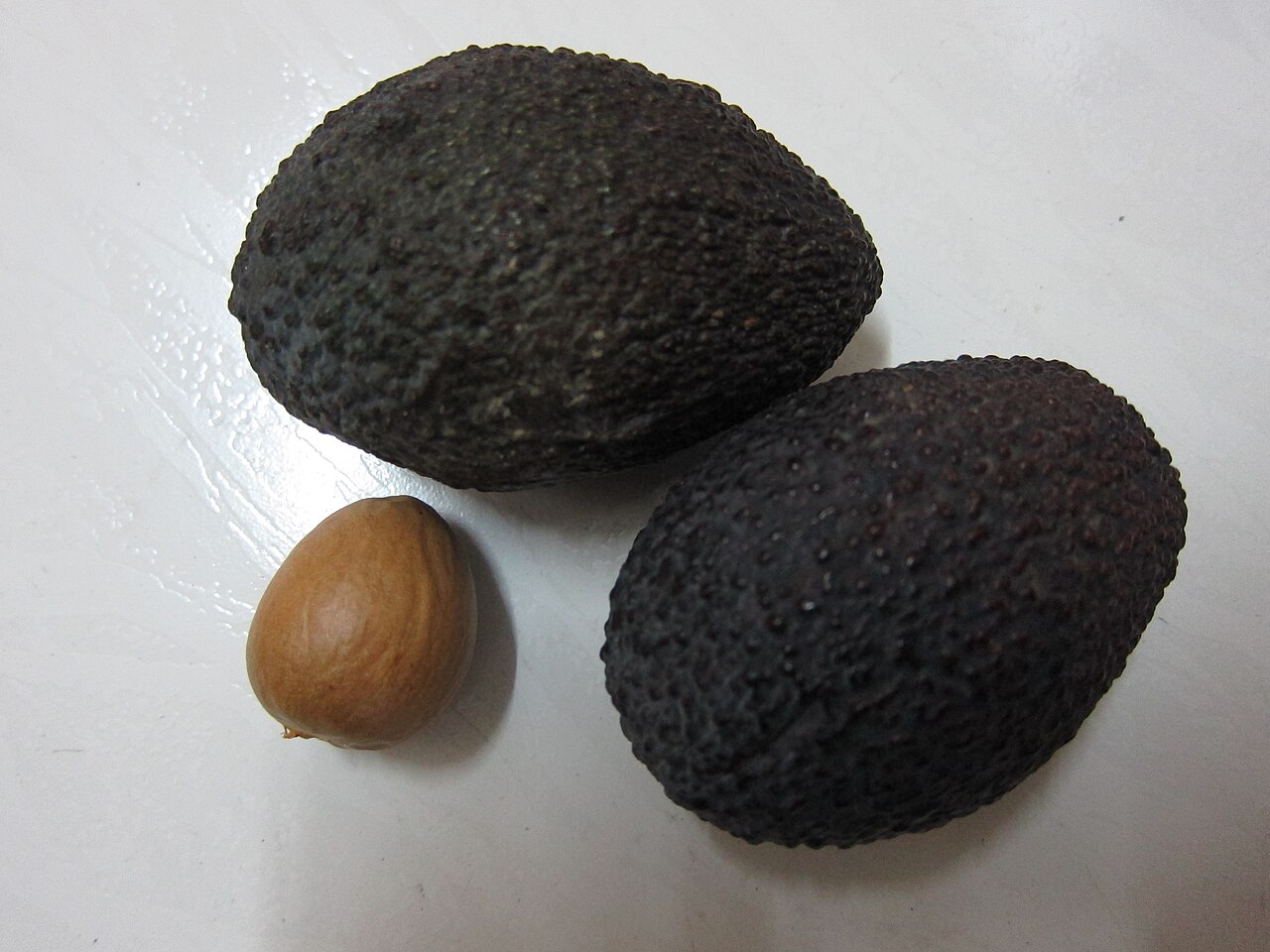
The avocado's place in the tree of life stretches back deep into the Pleistocene. The genus Persea is believed to have originated in North America before diversifying across Central America, and the modern avocado species is estimated to have split from its relatives roughly 1.3 million or 430,000 years ago. Genome sequencing has revealed that polyploidy events played a key role in shaping the species' evolution, and today's commercial varieties trace their lineage to hybrid origins. The British botanist Philip Miller gave the species its formal scientific name in 1768. One of the most provocative ideas in avocado biology is the megafaunal dispersal syndrome hypothesis, advanced by Connie Barlow and others, which suggests the fruit's large seed evolved to be carried by now-extinct giants such as ground sloths, glyptodonts, and the gomphothere Cuvieronius. Critics counter that medium-sized animals like agoutis and spectacled bears have been observed consuming avocados, and that many large fruits are dispersed without megafauna. Early wild specimens bore seeds only about two centimetres across, hinting at a much smaller fruit before selective breeding enlarged the flesh and thinned the skin.
Botanical Architecture: From Blossom to Berry
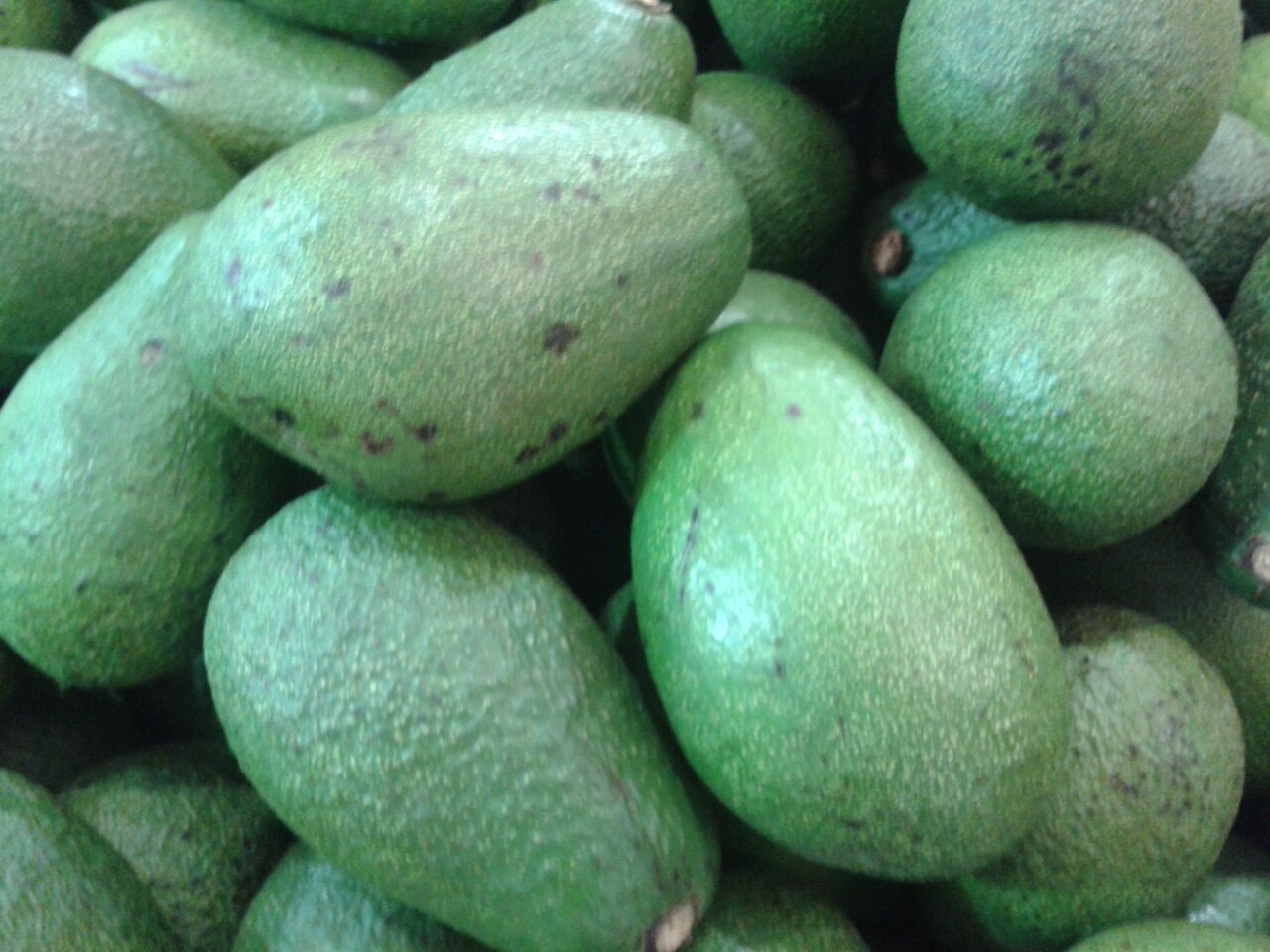
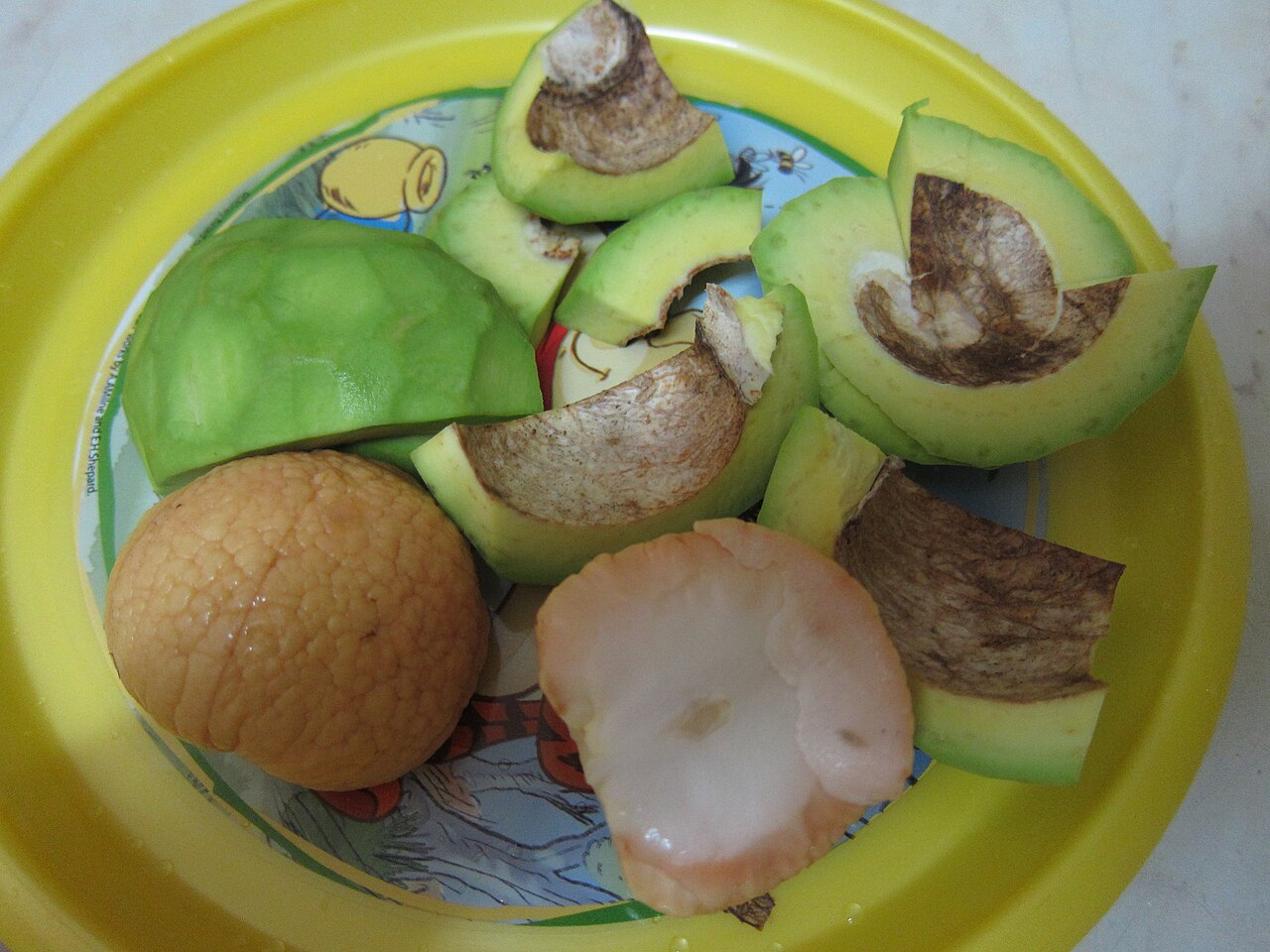
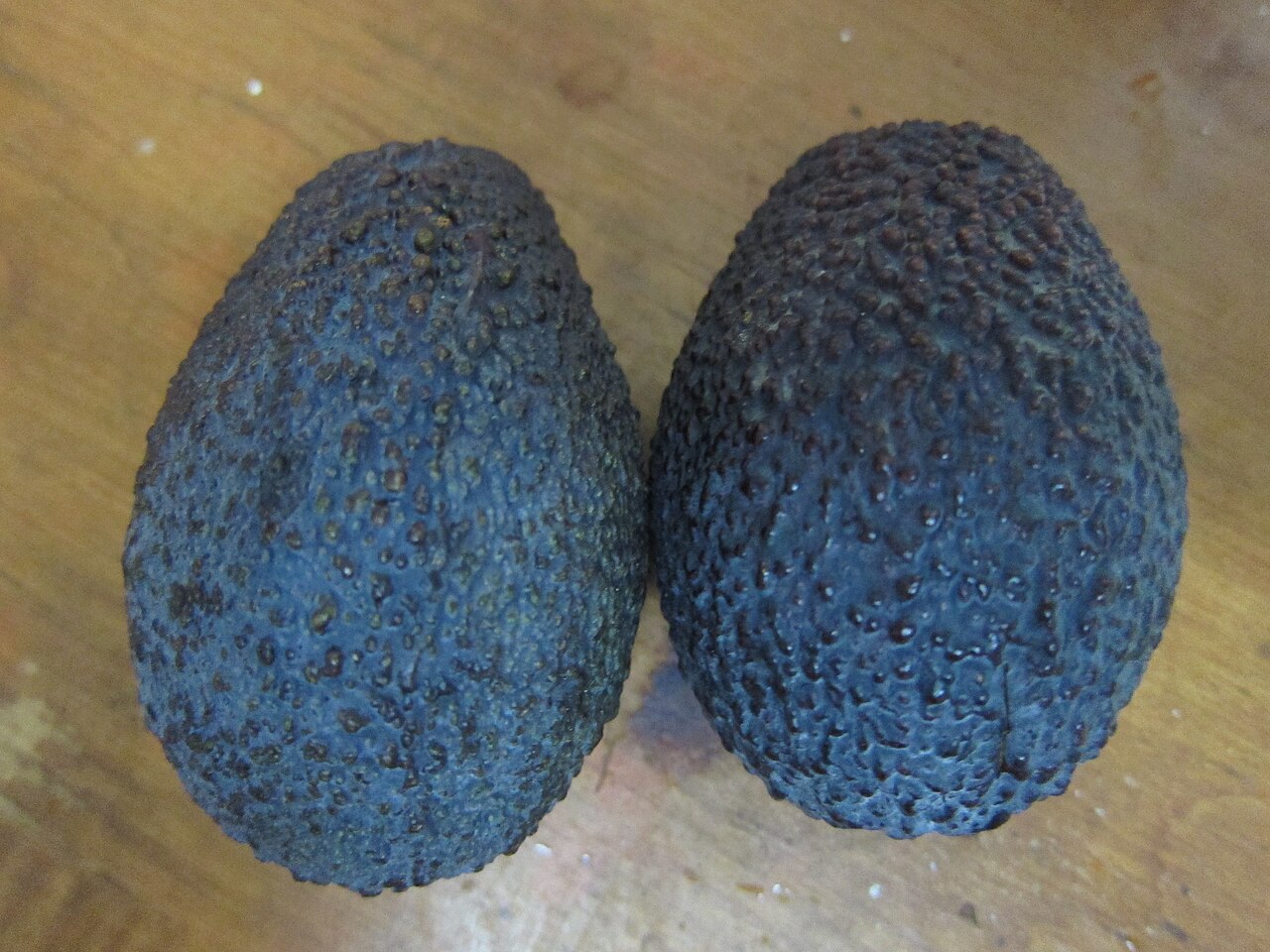
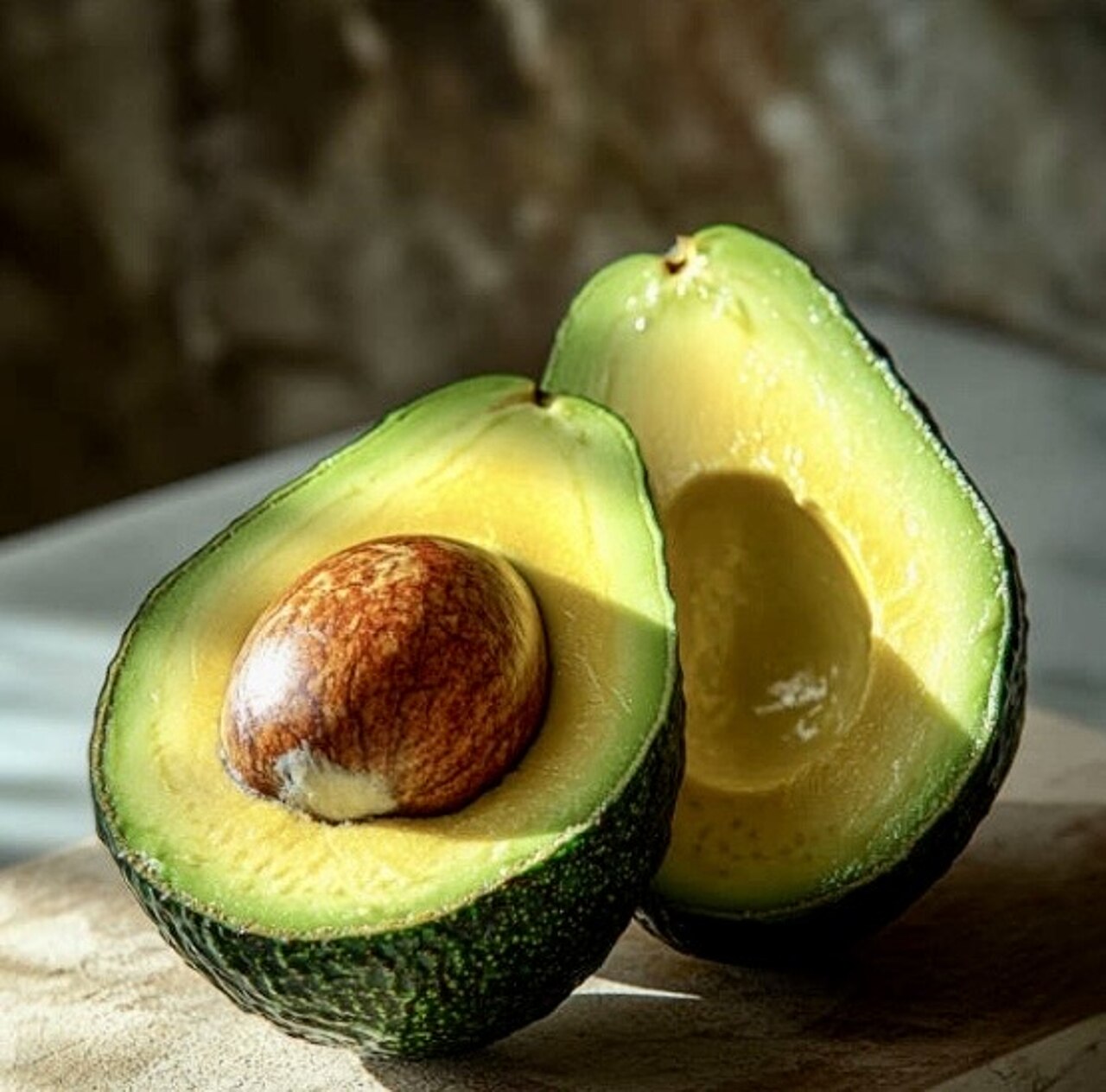
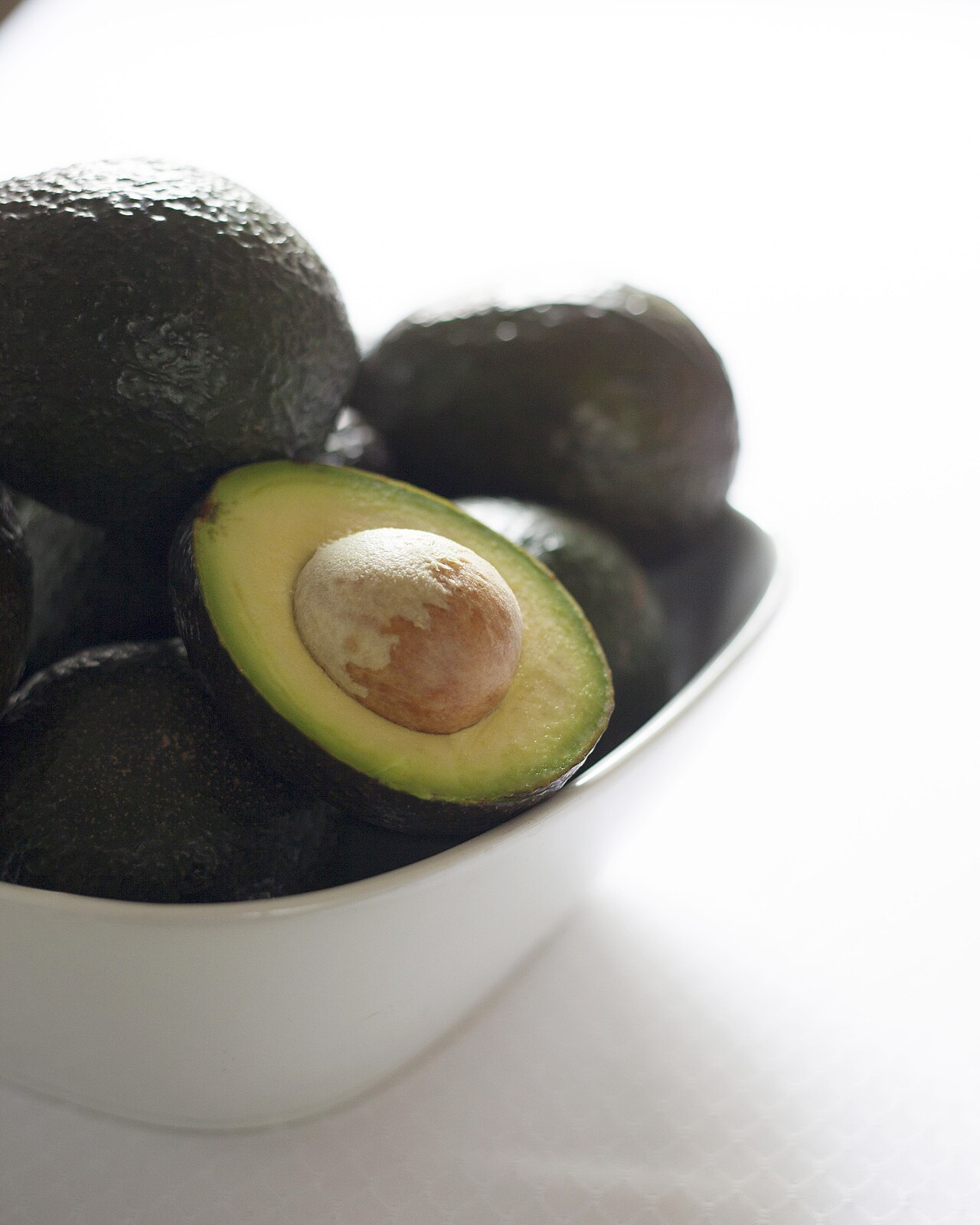
The avocado tree reaches heights of nine to twenty metres with a trunk diameter of thirty to sixty centimetres, its leaves arranged alternately along the branches at lengths between eight and twenty-five centimetres. Each growing season the tree produces thousands of small, inconspicuous blossoms clustered in racemes near the leaf axils. These flowers, only five to ten millimetres wide, lack true petals; instead they display two whorls of three pale-green or greenish-yellow downy lobes, each bearing nine stamens and two basal orange nectar glands. The resulting fruit is botanically a single-seeded berry rather than a drupe, with an imperceptible endocarp wrapping the large central seed that measures five to six and a half centimetres. Ripe domestic fruits reveal smooth, buttery, golden-green flesh, while the skin ranges from green to brown, purplish, or black depending on the cultivar. Shapes vary from pear to egg to sphere. Because the fruit is climacteric, it is harvested unripe and allowed to ripen post-harvest, and the tree's partly self-pollinating nature is supplemented by grafting to ensure consistent output.
From Ancient Americas to Global Harvest
Archaeological evidence scattered across Central and South America shows that humans were harvesting avocados thousands of years ago, drawn to the fruit's large size and unusually oily flesh. The species' native range spans from Mexico southward to Peru, covering much of Central America and portions of northern and western South America. Today the crop thrives in tropical and Mediterranean climates worldwide, with Mexico standing as the dominant global producer in 2024, accounting for a quarter of the eleven-point-two-million-tonne worldwide harvest. The fruit's nutrient density and high fat content have made it a staple in vegetarian and other cuisines, and selective breeding over centuries has yielded cultivars with larger, fleshier fruits and thinner skins. The word itself carries a long linguistic journey: from the Nahuatl āhuacatl through the Spanish aguacate to the English avocado, a term first recorded in 1696 by Hans Sloane in a Jamaican plant index. In the Andean countries the Quechua-derived name palta persists, while the Nahuatl compound ahuacamolli gave rise to the Spanish guacamole.
Ecological Costs and a Shifting Climate
The global appetite for avocados carries significant environmental and social costs. In major growing regions such as Mexico and California, the water demands of large-scale avocado farms place considerable strain on already limited local water resources. Production has also been linked to deforestation as new orchards encroach on natural habitats. In Mexico, human rights concerns have emerged from the partial control of avocado production by organized crime, adding a layer of social risk to the supply chain. Looking ahead, climate change is expected to reshape the geographic zones suitable for avocado cultivation, while heat waves and prolonged droughts will intensify pressure on existing production locales. These combined externalities—water scarcity, habitat loss, governance challenges, and shifting climate envelopes—mean that the future of one of the world's most popular fruits depends on how producers and consumers navigate the tension between demand and the ecological limits of the regions that grow it.
Gallery
Frequently Asked Questions
What is Avocado?
Avocado is an evergreen tree in the laurel family (Lauraceae), scientifically named Persea americana. It produces a large, single-seeded berry whose rich, oily flesh is one of the most widely consumed tree fruits on Earth.
Where is Avocado native to?
The avocado tree is indigenous to the Americas, with its natural range spanning from Mexico down through Peru. Over centuries it has spread to tropical and Mediterranean regions worldwide, but its roots remain firmly in the New World.
How long have humans been eating Avocado?
Archaeological remains show the fruit was being harvested in the Americas at least 10,500 years ago. The first known European written account appeared in 1519, authored by Martín Fernández de Enciso.
What makes Avocado's fruit stand out among berries?
Rather than being thin-skinned and watery like most berries, avocado yields a large, dense berry with a single seed and a high oil content. Its nutrient-rich, buttery texture sets it apart from virtually every other member of the berry category.
Which country produces the most Avocado?
Mexico tops global output, supplying roughly 25 percent of the 11.2 million tonnes harvested worldwide in 2024. The tree's preference for warm, subtropical conditions has also made it a major crop across other tropical and Mediterranean growing regions.
More in Fruit Trees & Berries 1-18
Spotted an error? Know more?
This is a living reference — every entry is fact-audited, and reader corrections feed straight into our audit queue. Suggest an edit · See this site's audit record