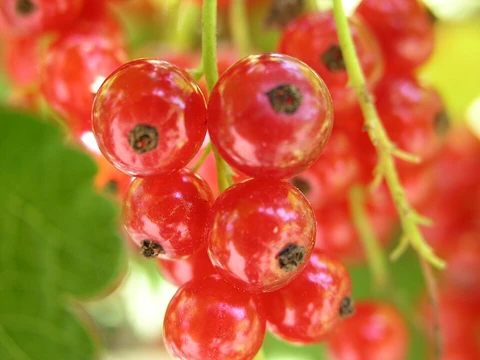
Apricot
A stonefruit domesticated in Central Asia, now grown worldwide.

Wikipedia / Wikimedia Commons
The apricot is a fruit and the tree that bears it, belonging to several species in the genus Prunus, most commonly Prunus armeniaca. Domesticated in ancient times in Central Asia and China, the apricot spread across Eurasia, North Africa, and Japan, and is consumed both fresh and dried, used in dishes such as cakes, tarts, jam, and savory stuffing.
- scientific_name
- Prunus armeniaca (most common)
- family
- Rosaceae (genus Prunus)
- origin
- Central Asia and China
- global_production_2023
- 3.7 million tonnes
- top_producer
- Turkey (20% of world total)
- key_use
- Fresh and dried fruit, kernels for oil, wood for instruments
Lore & Background
The apricot's scientific name Prunus armeniaca reflects an early belief that it originated in Armenia, where it was cultivated for so long that the epithet was assigned. However, genetic studies confirm the hypothesis of Nikolai Vavilov that domestication actually occurred in Central Asia and China. From there, the domesticated apricot diffused south to South Asia, west to West Asia (including Armenia), Europe, and North Africa, and east to Japan. The fruit arrived in southwest Asia from Iran or Armenia during the third century BC, and within a few centuries cultivation was established across Syria, Turkey, Greece, and Italy.
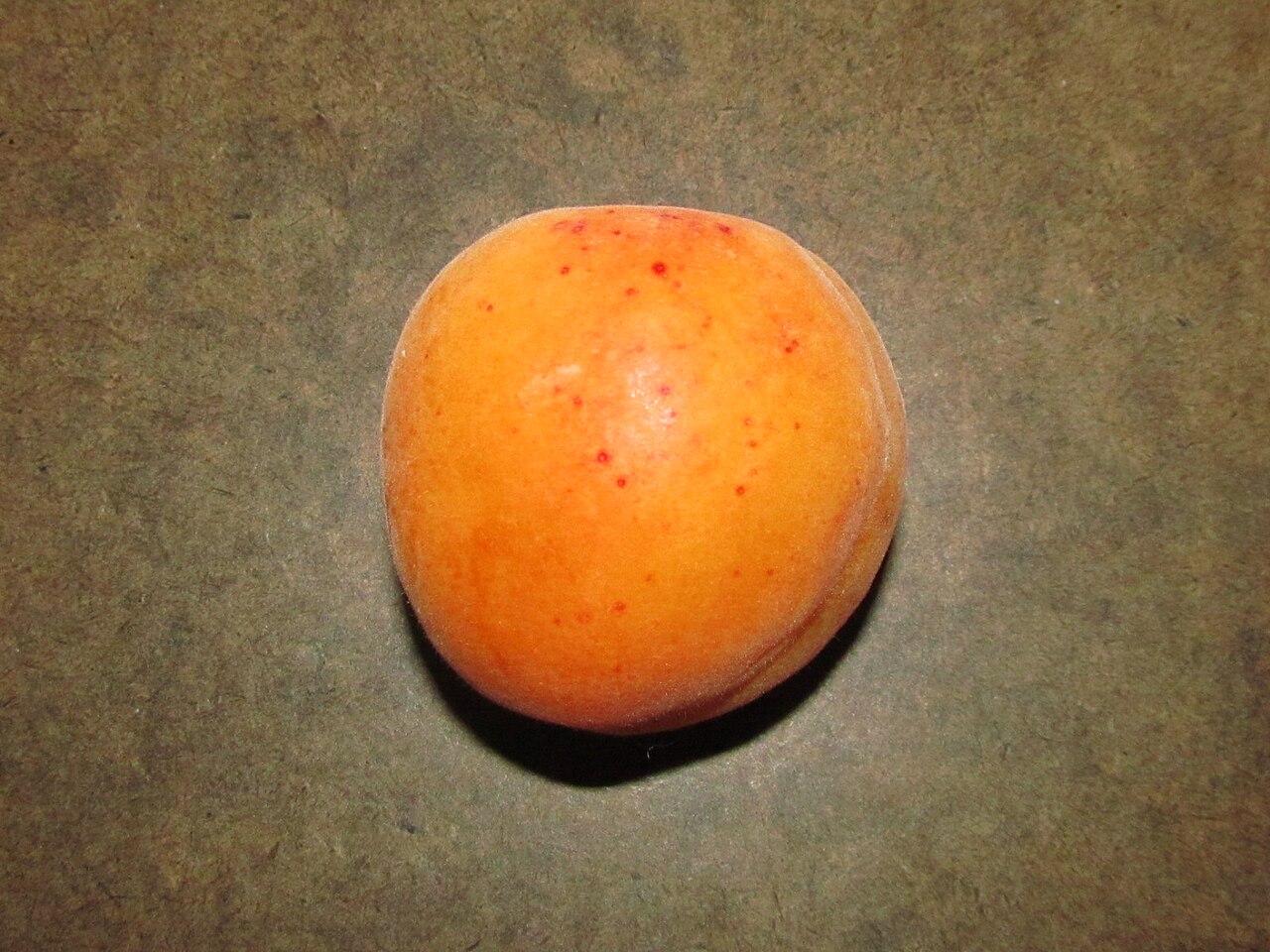
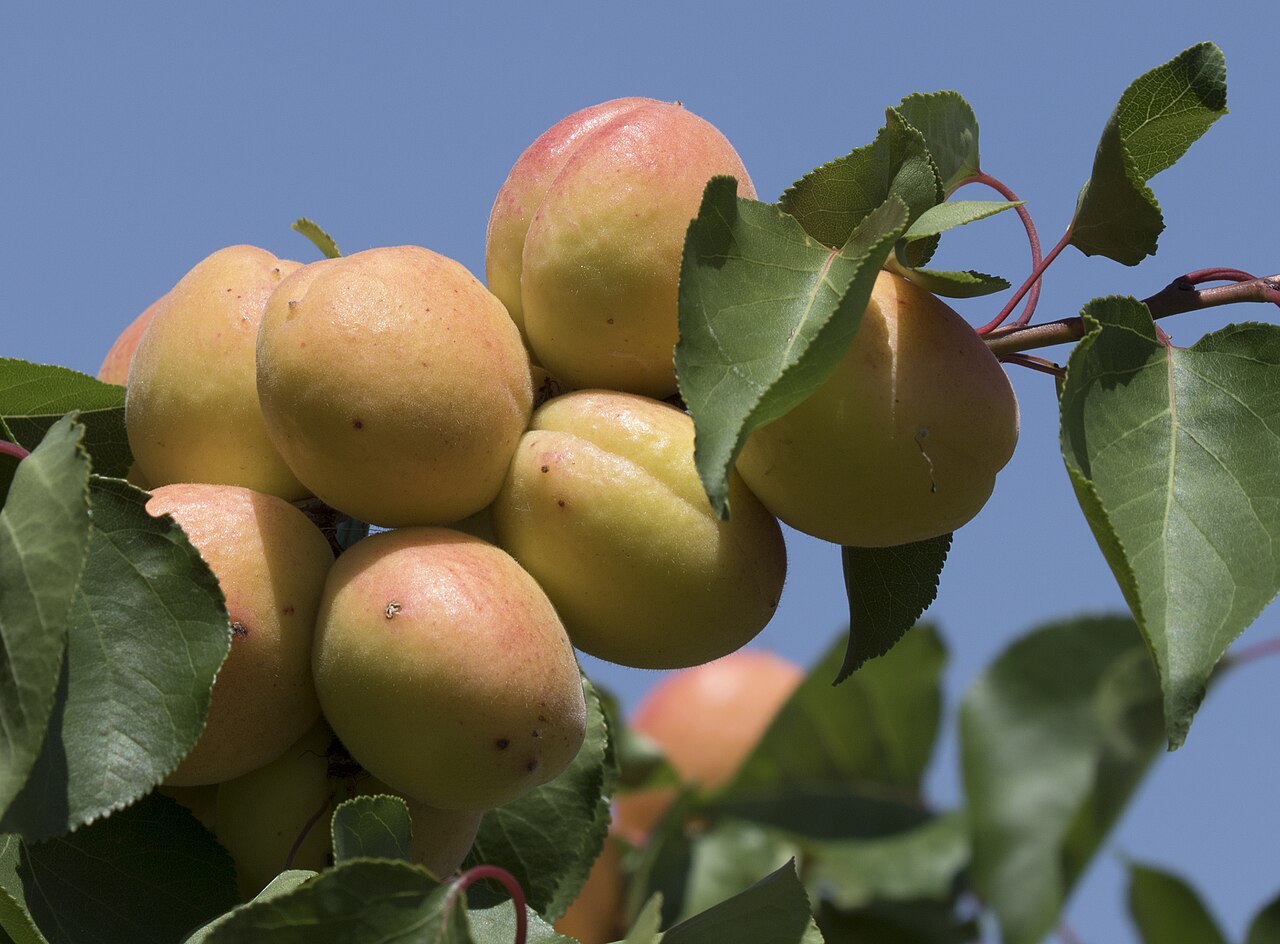
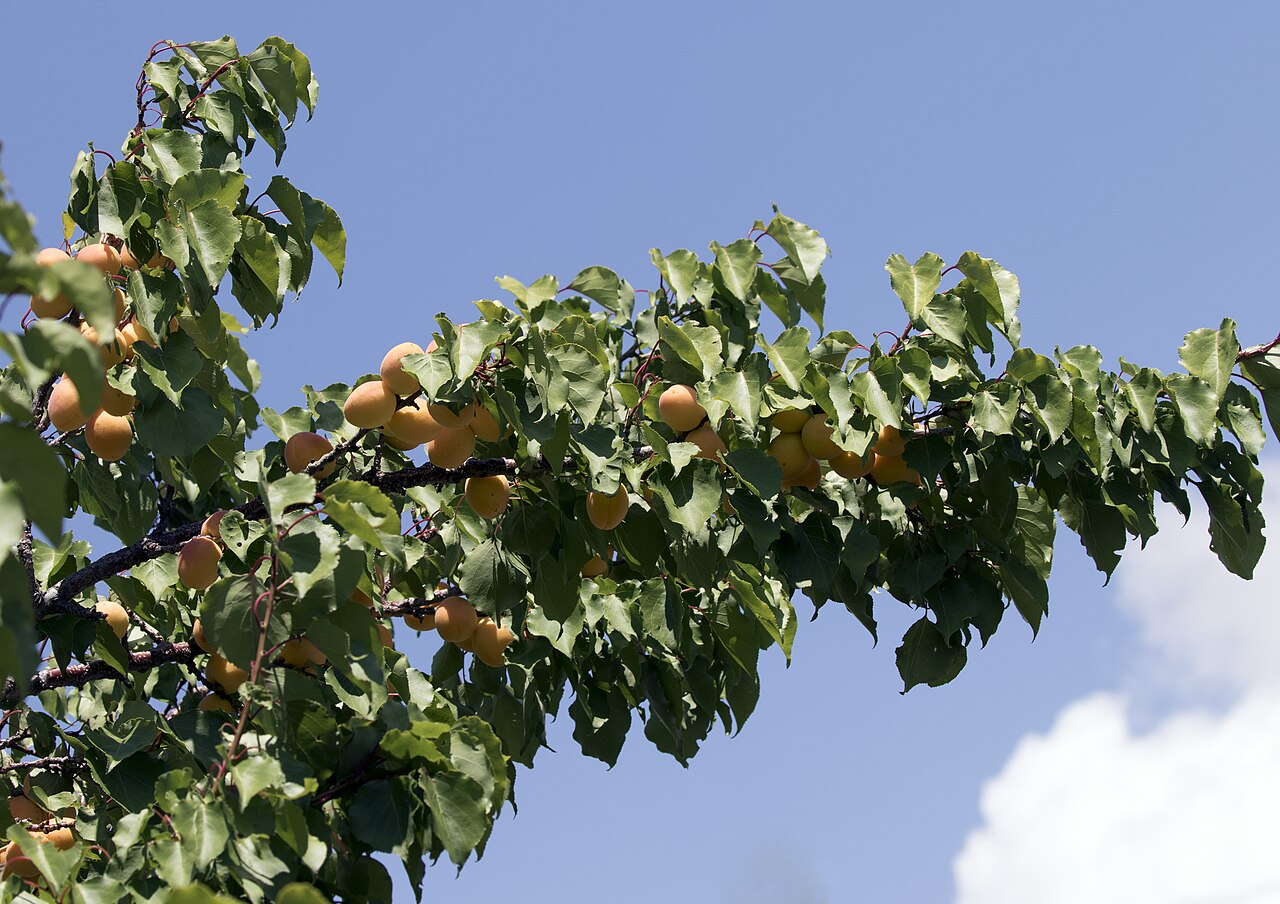
The apricot tree is small, up to 8 meters tall, with a round canopy and white or pinkish flowers that appear before leaves in early spring. The fruit is a succulent orange-yellow drupe tinged with red, containing a single seed enclosed in a hard shell. Apricot trees have a chilling requirement of 300 to 900 chilling units, prefer well-drained soils with a pH of 6.0 to 7.0, and are slightly more cold-hardy than peaches, tolerating temperatures as low as −30 °C (−22 °F) or lower if healthy. Spring frosts are a limiting factor because the trees flower very early.
Apricot cultivars are usually grafted onto plum or peach rootstocks. Some cultivars are self-compatible, while others, such as 'Moongold' and 'Sungold', require paired planting for pollination. Hybrids with the cherry plum produce the 'black apricot' or 'purple apricot' (Prunus dasycarpa), and other apricot–plum hybrids are called plumcots, apriplums, pluots, or apriums.
Reader's Guide
The apricot holds significance as a widely cultivated fruit with deep historical roots in Central Asia and China, and its spread across Eurasia and North Africa shaped agricultural and culinary traditions. Its global production in 2023 reached 3.7 million tonnes, led by Turkey, with Malatya as the center of Turkey's apricot industry. The fruit is versatile, used fresh, dried, in desserts like Austrian Marillenknödel, and in savory dishes. Apricot kernels contain amygdalin, a poisonous compound, but oil from the kernels is safe because amygdalin is not oil soluble; ground shells serve as an exfoliant in cosmetics. The wood is used for the Armenian duduk. Nutritionally, raw apricots are 86% water and provide moderate vitamin A and C, while dried apricots have higher concentrations of vitamin A, vitamin E, copper, and potassium. The taxonomy includes multiple species, with Prunus brigantina's position disputed between plum and apricot groups based on DNA evidence. Apricot cultivation faces challenges from spring frosts, bacterial and fungal diseases, and temperature instability, but hybridization with cold-hardy species like Prunus sibirica offers breeding options.
Did You Know?
- The apricot's English name came from the Middle French 'aubercot', via Arabic 'al-barqūq' meaning 'the plums', and ultimately from Latin 'praecocia' meaning 'early ripening'.
- Apricot kernels contain amygdalin, a poisonous compound; bitter kernels have about 5% amygdalin, sweet kernels about 0.9%.
- The apricot tree is slightly more cold-hardy than the peach, tolerating winter temperatures as low as −30 °C (−22 °F).
- In 2023, world production of apricots was 3.7 million tonnes, with Turkey producing 20% of the total.
Botanical Identity & Taxonomic Place
Apricot is a fruit tree — a perennial plant that produces edible fruit for human consumption. Like all flowering plants, it generates fruit as the ripened ovary of a flower, housing one or more seeds within. In the taxonomic framework of pomology, the scientific discipline dedicated to studying and cultivating fruits, apricot is classified among the stone fruits. This group, defined by shared plant morphology and anatomy, also encompasses peaches, nectarines, almonds, plums, and cherries. It is distinct from the pome fruit category, which includes apples and pears. As a member of the drupe family, apricot shares fundamental structural characteristics with its stone-fruit relatives, setting it apart from the vast array of other fruit-bearing trees that humanity cultivates for food.
Among the World's Fruit Trees
Apricot occupies one position in an extraordinarily diverse roster of fruit trees that supply edible produce to humans. It stands alongside species as varied as abiu, avocado, bael, carambola, cashew, coconut, durian, elderberry, fig, guava, jackfruit, jujube, loquat, lychee, mango, mulberry, olive, pawpaw, persimmon, pistachio, pomelo, quince, pomegranate, rambutan, sapodilla, soursop, tamarillo, ugli fruit, walnut, and water apple. In horticultural practice, the designation "fruit tree" is reserved specifically for trees whose fruit serves as human food, a category that apricot clearly fulfills. This breadth of species — spanning tropical, subtropical, and temperate origins — illustrates the remarkable range of plant forms that have been harnessed for nourishment, with apricot representing one thread in that rich tapestry.
Cultivation & Structural Advantages
As a fruit tree, apricot benefits from inherent structural traits that distinguish perennial woody plants from annual crops. Its deep root system and perennial growth habit grant it a notable capacity to withstand rainfall variability, a resilience that shorter-lived agricultural plants simply lack. The cultivation of apricot and its kin falls under the umbrella of pomology, a field that also encompasses the study of fruit tree forms, pollination mechanisms, propagation techniques, and pruning practices. Orchards dedicated to such trees represent a specialized branch of horticulture, where the interplay of soil management, water conservation, and seasonal care determines the quality and yield of the harvest. Apricot, as a stone fruit within this system, depends on these same foundational practices to thrive.
Climate Pressures & Future Vulnerability
Apricot, like all fruit trees, confronts escalating threats from a changing climate. In Japan, annual temperatures have climbed at a rate of 0.124 degrees Celsius per decade between 1898 and 2019, disrupting flowering times and potentially triggering a condition known as "flowering disorder" — a physiological malfunction linked to abnormal flowering or dormancy. In Australia, projections indicate a major restructuring of the fruit farming industry by 2030, driven by shifts in the winter chill period that fruit production depends upon. More broadly, fruit trees face early springs, late frosts, flooding, drought, and extreme heat that can damage developing fruit directly on the branch. Severe droughts and floods weaken trees, increasing their susceptibility to pests and diseases. Compounding these pressures, declining organic matter in soils demands innovative water management strategies to preserve both crop yield and quality for species like apricot.
Gallery
Frequently Asked Questions
What is an apricot?
The apricot is a stonefruit (drupe) borne by trees in the genus Prunus, most commonly the species Prunus armeniaca. It sits within the rose family, Rosaceae, and is recognized by its single hard pit wrapped in sweet, orange flesh.
Where did apricots originally come from?
Apricots were first domesticated in ancient times in Central Asia and China. Cultivation later spread across Eurasia, North Africa, and Japan, and the fruit is now grown in virtually every temperate region of the world.
What is the apricot's scientific classification?
The most widely cited species name is Prunus armeniaca, though several close relatives in the genus Prunus also produce apricot-type fruit. All of them belong to the Rosaceae family, the same family that includes peaches, cherries, and roses.
What are apricots used for besides eating fresh?
Dried apricots are a staple snack, and the fruit features in cakes, tarts, jam, and savory stuffings. The kernels are pressed to produce oil, and the dense wood is prized for crafting musical instruments.
Who is the top apricot producer in the world?
Turkey leads global output, contributing roughly 20 percent of the world's total harvest. In 2023, worldwide production reached approximately 3.7 million tonnes across all growing regions.
More in Fruit Trees & Berries 1-18
Spotted an error? Know more?
This is a living reference — every entry is fact-audited, and reader corrections feed straight into our audit queue. Suggest an edit · See this site's audit record